


Recent Blog Posts
How Your Chicago Car Accident Claim is Affected by Rollover Crashes
Rollover crashes in Chicago often result in severe injuries and significant vehicle damage, making it crucial to understand their impact on your car accident claim. These accidents are complex and can complicate the claims process, affecting your ability to secure fair compensation.
What Makes Rollover Crashes Unique?
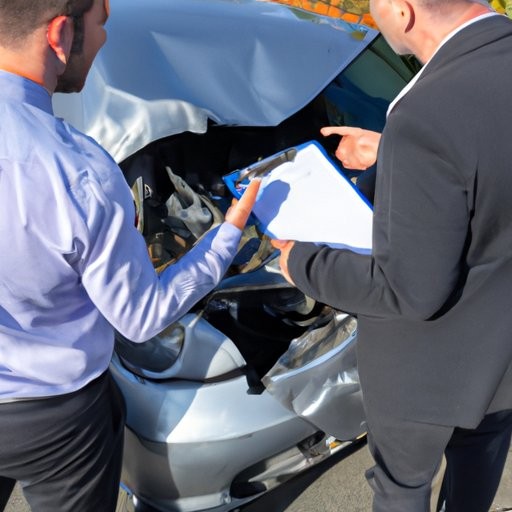
Rollover crashes are notable for their complexity and the serious injuries they frequently cause. These accidents occur when a vehicle flips onto its side or roof, typically due to a sharp turn, collision, or loss of control. The consequences can be devastating, leading to traumatic brain injuries, spinal cord injuries, or even fatalities.
What Should You Do After a Serious Crash on Chicago's Busy Highways?
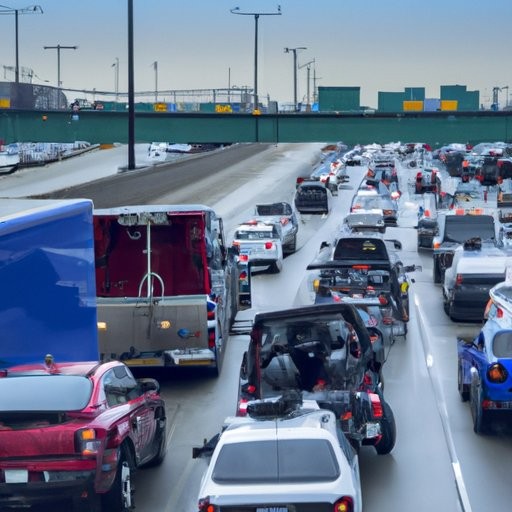
Crashes on Chicago's bustling highways, such as the Kennedy or Stevenson Expressways, can be overwhelming. Knowing the immediate steps to take after a crash is crucial for your safety and legal protection.
What Are the Immediate Steps to Take After a Crash?
How Can I Ensure Safety and Call for Help?
Your safety is paramount. If possible, move your vehicle to a safe location, like the shoulder of the road, and activate your hazard lights. Call 911 to report the accident, ensuring that police and medical help arrive swiftly. Remain at the scene until law enforcement arrives, as leaving can lead to legal issues. Check on others involved and offer assistance if needed, but refrain from discussing fault.
How Can You Protect Yourself After a Rollover Crash in Chicago?
Rollover crashes in Chicago can be life-changing, often resulting in serious injuries and complex legal issues. Knowing the right steps to take immediately after such an accident is crucial for safeguarding your rights and facilitating your recovery.

What Immediate Actions Should You Take After a Rollover Crash?
First, prioritize safety. If possible, move to a secure area away from traffic. Call emergency services to report the accident and seek medical attention. Even if injuries appear minor, a medical check-up is essential as some injuries might not be immediately apparent.
How Should You Respond to a Chicago Rollover Crash on I-290?
Rollover crashes on I-290 in Chicago, Illinois, are serious incidents that require immediate and careful action. Knowing what to do right after such an accident can help protect your safety and legal rights. This guide will walk you through the necessary steps to take following a rollover crash.

What Are the First Steps After a Rollover Crash?
Ensure Safety and Call for Help
Your first priority after a rollover crash should be the safety of everyone involved. If possible, move to a safe area away from traffic. Immediately call 911 to report the accident and request medical assistance. Even if injuries are not apparent, a medical evaluation is advisable.
What You Should Know About Multi-Car Accidents in Chicago
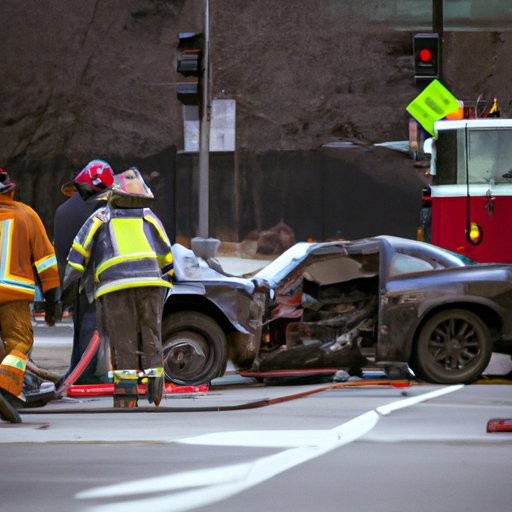
Multi-car accidents are a common occurrence on the bustling streets and highways of Chicago, Illinois. These incidents involve several vehicles, each presenting unique circumstances and potential liabilities. Understanding these accidents and effectively managing their aftermath can significantly influence the outcome of legal claims or insurance settlements.
What Causes Multi-Car Accidents?
Multi-car accidents often stem from a combination of factors, including adverse weather conditions, heavy traffic, and driver errors. In Chicago, Illinois, unpredictable weather, particularly during winter, can lead to slippery roads and poor visibility, heightening accident risks. The city's dense traffic further complicates situations, as drivers have less time to react to sudden stops or changes.
How to Navigate Your Car Accident Claim in Chicago's I-55 Crashes
Car accidents on Chicago's I-55 can be daunting due to the heavy traffic and intricate roadways. Knowing the right steps to take after a crash is crucial to safeguarding your rights and ensuring a successful claim.
What Should I Do Immediately After an I-55 Car Accident?
Ensure Safety and Seek Medical Attention
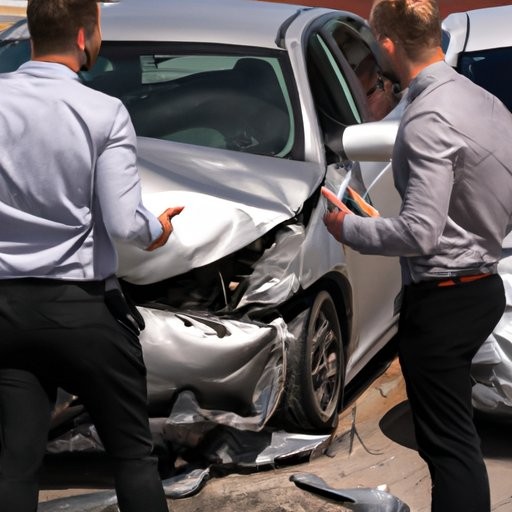
Your safety is the top priority after a car accident. If possible, move your vehicle to a safe area away from traffic. Check for injuries and call emergency services if needed. Even if injuries seem minor, getting medical attention is crucial as some injuries might not be immediately noticeable. A medical record can be vital for your claim.
Documenting the accident scene is also important. Take photos of the vehicles, road conditions, and any visible injuries. Collect contact information from witnesses and other involved parties. This evidence can be crucial when dealing with insurance companies and legal matters.
How Can You Navigate Traffic After a Chicago Car Accident on I-94?
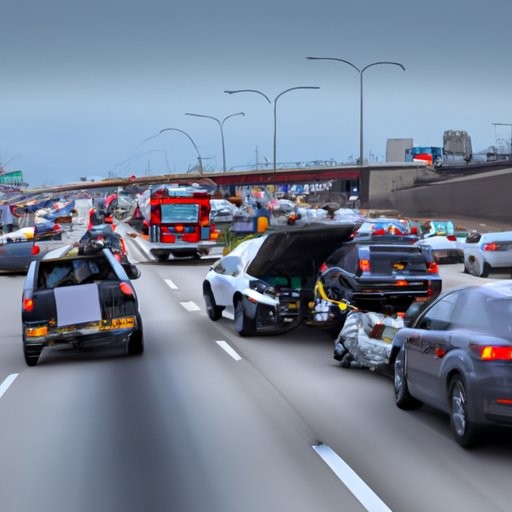
Car accidents on I-94 in Chicago, Illinois, can be overwhelming, especially with the heavy traffic and legal considerations involved. Knowing what to do immediately after an accident can help you manage the situation effectively, ensuring your safety and protecting your rights.
What Should You Do Right After the Accident?
Ensure Safety and Call for Help
Your first priority after a car accident on I-94 should be safety. If possible, move your vehicle to the shoulder to prevent further collisions and turn on your hazard lights to alert other drivers. Once you and your passengers are safe, call 911 to report the accident. This is crucial for obtaining medical assistance if needed and for creating an official record of the incident.
How Does a Rollover Crash on I-290 Affect Your Injury Claim in Chicago?
Rollover crashes on I-290 in Chicago, Illinois can lead to significant physical and legal challenges. Understanding the impact of these accidents on your injury claim is crucial for securing fair compensation. This article explores the legal aspects of rollover crashes and their influence on your rights under Illinois law.
What Are Rollover Crashes on I-290?
I-290, known as the Eisenhower Expressway, is a vital corridor in Chicago, connecting the city to its western suburbs. Due to heavy traffic, accidents, including rollover crashes, frequently occur. A rollover crash involves a vehicle tipping over onto its side or roof, often resulting in severe injuries and property damage.
How Can You Protect Your Rights After a Chicago Multi-Car Accident?
Being involved in a multi-car accident in Chicago, Illinois can be overwhelming. With multiple parties involved, it's crucial to know how to protect your rights. Whether it occurs on the bustling streets of downtown Chicago or on the highways, taking the right steps can significantly influence the outcome of your situation.
What Steps Should You Take Immediately After the Accident?
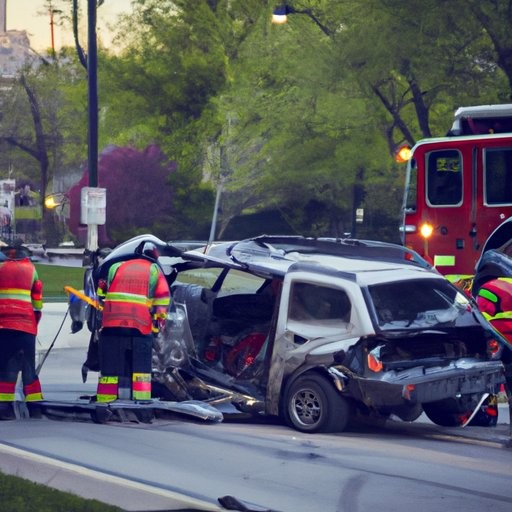
Immediately following a multi-car accident, your actions are vital for safeguarding your legal rights. Despite the chaos, staying calm is essential. First, ensure your safety and the safety of others. If possible, move to a secure location away from traffic.
What Should You Do After a Rollover Crash on Chicago's I-290?
Rollover crashes on Chicago's I-290 are serious incidents that can leave you feeling overwhelmed. Knowing the right steps to take immediately after such an accident can help protect your rights and ensure your safety. This guide will walk you through the necessary actions to take following a rollover crash, helping you manage the situation effectively.

What Are the Immediate Steps to Take After a Rollover Crash?
Ensure Safety and Call for Help
Your safety and the safety of others should be your top priority. After a rollover crash, check your condition and that of any passengers. If you can, move to a safe spot away from traffic. Call 911 to report the accident and request medical help if needed. Emergency responders will provide medical care and secure the scene.